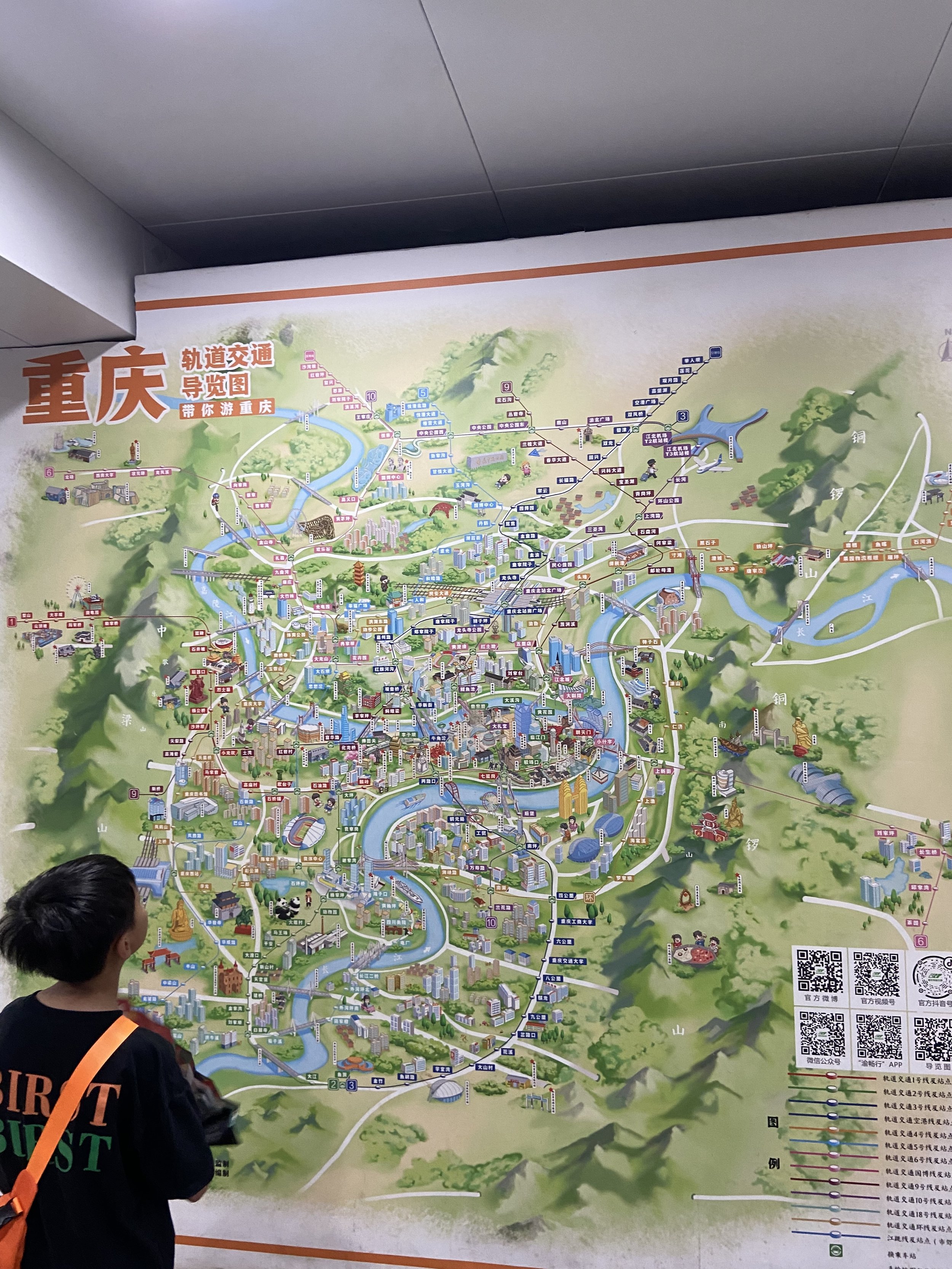
10 Days in China Visa-Free: Here’s How the 240-Hour Visa Policy Actually Works
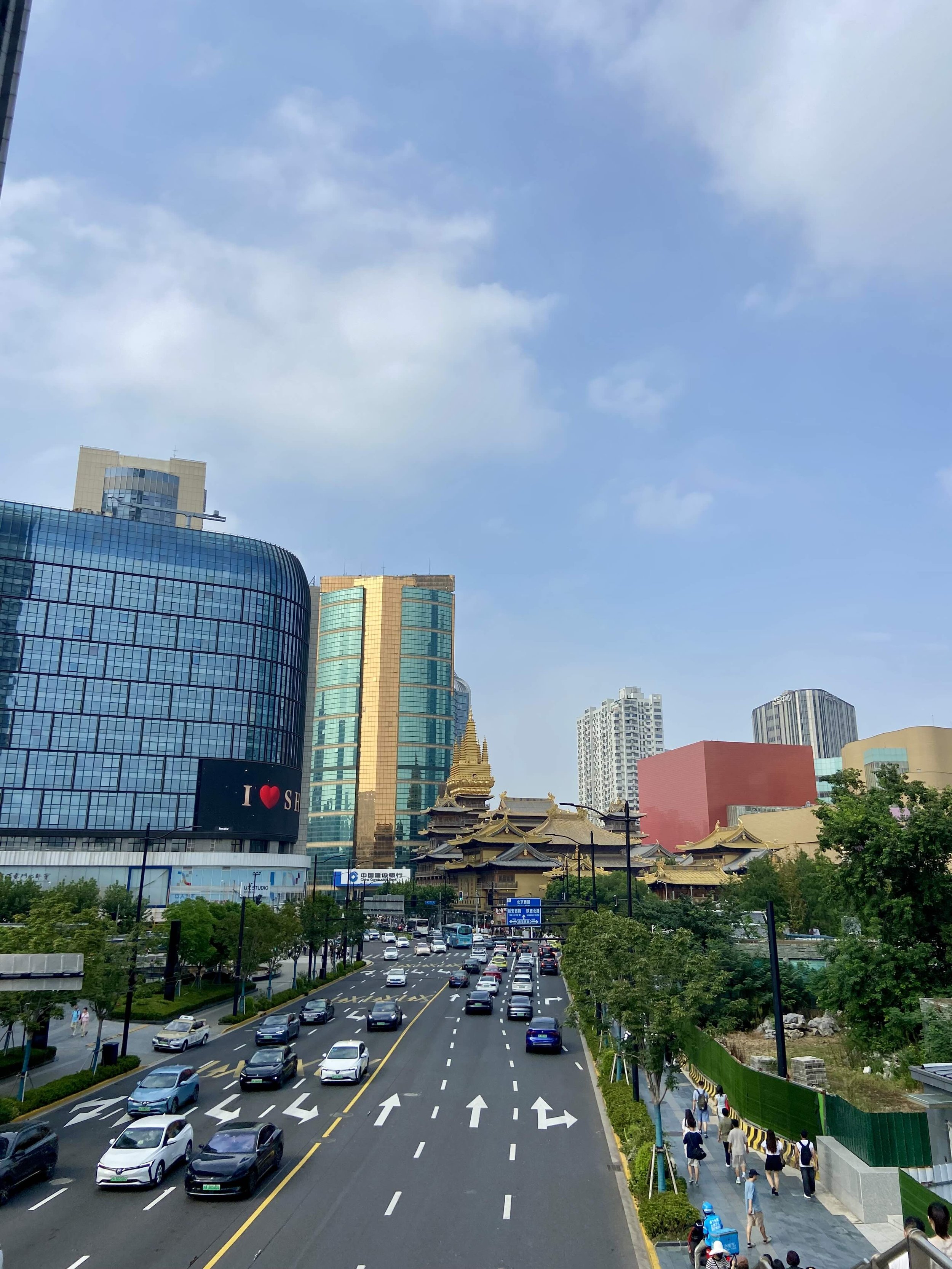
What is the 240-hour visa-free policy in China?
Who It’s For
Currently, China is offering various visa-free policies that differ by country. Many European countries have access to 30-days visa-free, while others can only take advantage of 10 days.
55 countries can take advantage of the 240 hours, including Canada, the United States, and Mexico.
To double-check if your country is on the list, visit this government website. Keep in mind, some of these countries are permitted to use the 30-day visa as well, so check for your country’s name on that list too.
What “Transit” Really Means (Important!)
The 10-day or 240-hour visa is classified as a “Transit” visa, meaning specific rules apply to your itinerary. Namely, you must enter China from one international airport, and your onward flight exiting China must be to another airport, different from the country you entered from.
Example Itineraries
Itinerary #1: U.S. - Beijing - Guilin - Hong Kong √ Valid.
Itinerary #2: Vietnam - Shanghai - Chongqing - Thauland √ Valid.
Itinerary #3: Hong Kong - Beijing - Guilin - Hong Kong × Invalid.
Itinerary #4: Canada - Beijing - Shanghai - Canada × Invalid.
In practice, this means that you cannot book a round-trip flight in and out of China from your starting point; you must book separate flights to separate countries.
Why I chose to use it
I lived in China for 2 years prior to COVID, and I had always dreamed of going back and visiting my friends still living there. More specifically, I have always dreamed of going to Chongqing in Sichuan Province, as I had heard such incredible things about it.
Currently living in Vietnam with a Canadian passport, I heard about the 10-day transit visa and decided to book the trip back in October 2025!
My itinerary was as follows:
Ho Chi Minh City - Shanghai - Chongqing - Bangkok
What the process was like
From Ho Chi Minh, I arrived in Xiamen in the south of China for a layover before getting to Shanghai. This is where the immigration process happened and where I received the visa.
Essentially, after de-boarding the plane, you arrive at one of the immigration stalls, and an officer will ask you for your flight details, as well as accommodation bookings.
I presented the officer with the following documents:
My passport (valid for at least 3 months longer)
My boarding pass from Ho Chi Minh
My boarding pass to Shanghai
My flight booking from Shanghai to Chongqing
My flight booking from Chongqing to Bangkok
My accommodation booking in Shanghai
My accommodation booking in Chongqing
A physical arrival card filled out upon landing in Xiamen
Honestly, I was very nervous re-entering China after so many years, and with little information online about people who had received this visa on arrival, I did fear getting rejected and having to turn around.
Luckily, everything went very smoothly and within a matter of minutes the visa was pasted into a page on my passport, and I was through to the other side!
Where you can and can’t go
There are limitations on which cities and airports you can enter through and exit from on this transit visa. These include major regions of interest such as Shanghai, Beijing, Chongqing, Guangdong, and Yunnan. I believe these would be strict, so I would follow them.
For the full list, scroll to the table at the bottom of this page.
Would I do it again?
I would 100% do this trip again, considering that it is a visa-on-arrival, which is very rare for China. Usually, you have to apply for a visa beforehand at the consulate in your home country, with all information such as flights and accommodations booked beforehand, and often a letter of recommendation from someone you know or are connected with in China.
If you are looking to do a short trip while already in Asia, for example, this is a wonderful option. For a longer trip, the 30-day visa is also a visa-on-arrival, which is approved for many countries. It is currently in the process of being approved for Canadians, but as of January 23rd 2026, it is not yet in place.
That said, if you are looking to spend an extended period of time in China, it would be better to apply before hand and they will grant you up to 90 days for many countries including Canada, depending on the purpose of your visit.
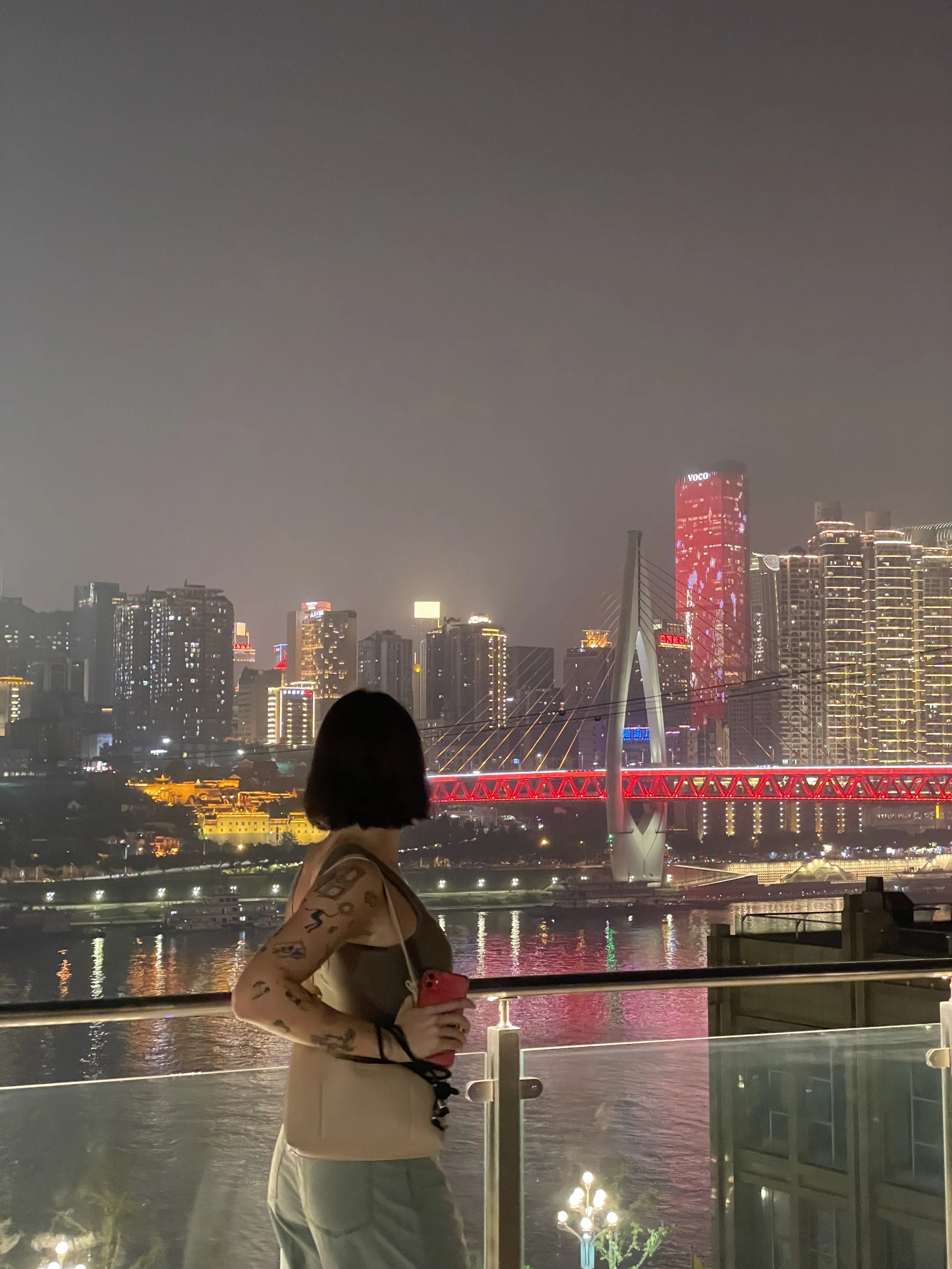
Practical tips if you’re considering it
In addition to having all of your flights and accommodations booked ahead of time, there are a few other things you absolutely need when travelling to China.
Alipay or WeChat
China is essentially a cashless society now, so if you don’t have a digital payment method set up, you will struggle a lot. If you are planning on spending more time in China, I would recommend getting your WeChat set up, as that is an essential app they use there, but it is a bit more of a challenge because you need to be approved by 2 people who already have WeChat accounts active. If you don’t know anyone or if there are any bugs, this can pose a challenge. Alipay, on the other hand, is accepted almost everywhere and is very easy to set up. You can also access DiDi through Alipay, which is the local Uber app that you will most definitely need.
To get set up, you can just download the app from the app store and link your international bank or credit card, and you’re good to go.
A VPN
If you are planning to check your Gmail account or want to do anything on social media, such as Meta, you will need a VPN. The easiest way is to pay the price for a VPN like ExpressVPN or AstrillVPN and have that installed on your phone before entering the country.
If you are lucky enough to have a China contact, there is a possibility that they can set you up with a local service, which is what I did.
A Translator App
Having not been back to China for so long, I honestly forgot how much daily interaction has to occur through a translator if you do not speak Mandarin. Many locals in the service industry, taxi drivers, etc. will not speak very much English, and many menus will be exclusively written in Mandarin. For this reason, you need a translator app you can rely on and one that can scan text using the camera to translate.
I would recommend Baidu Translate as it is a Chinese app, and so you won’t need the VPN for it, while with Google Translate, you most definitely will.
Closing reflection
The 10-day or 240-hour visa for China made me realize how much can truly happen in just 240 hours! Thanks to this visa policy, I had the trip of a lifetime visiting both Shanghai and Chongqing. With all of the nerves and anxiety beforehand, it ended up being very streamlined and easy to do, as long as you have all of the proper information and documentation beforehand.
China is a country full of amazing things to discover, from food to landscape to local culture. It can be challenging to navigate at times with the culture being so different from the West, and the language being so difficult to learn, but for me, that is one of the best and most rewarding things about spending time there.
I will soon be writing much more about my experience in China, with more practical tips and guides, so stay tuned!