
How Oatside Quietly Became Southeast Asia’s Default Alt. Milk
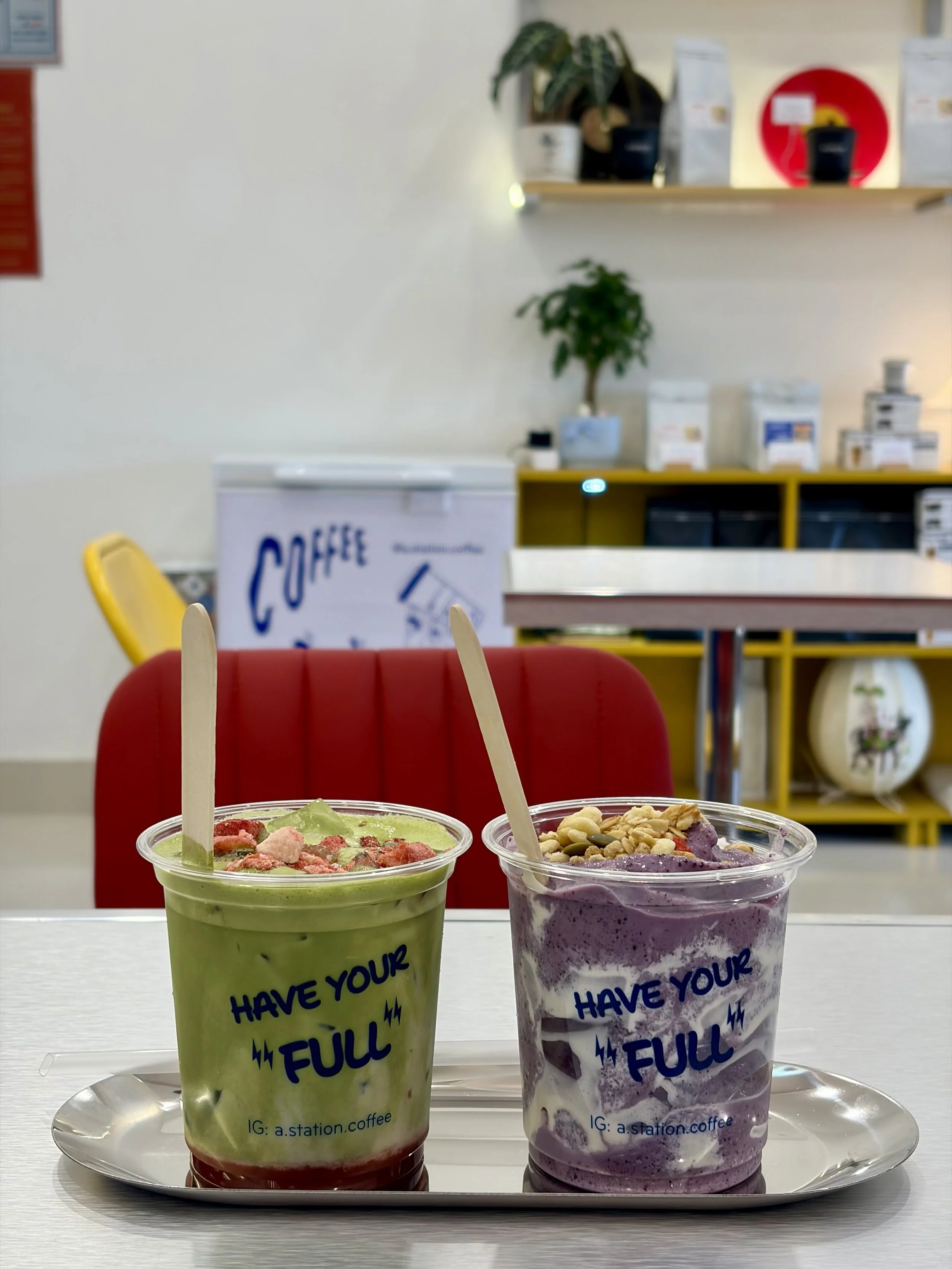
A-Station Cafe, Da Nang, Vietnam
Oatside-Based: Strawberry Matcha Latte, Blueberry Cloud Smoothie
Background
Step into almost any café in any urban area across Vietnam, and you’ll notice that ordering a non-dairy milk doesn’t really involve choosing a brand or a type at all. More often than not, the option is simply: Oatside.
After spending the last several years working with plant-based food companies entering Western markets, I found this striking. In North America and Europe, when choosing an alternative milk, you often have multiple SKUs to choose from. It is typically presented as quite a fragmented category: Oatly, Califia Farms, Alpro, Elmhurst, house brands, and countless others competing side-by-side for consumer attention. But across much of Southeast Asia’s café scene, Oatside appears to have achieved something different: not just popularity, but default status within foodservice.
Company Overview
Oatside was founded in Singapore in 2020 by a former Kraft-Heinz CFO, Benedict Lim. It is now available in 18+ countries across Asia-Pacific and is positioned as barista-grade and café-first. What’s interesting about their market strategy is that it has not been retail-first like many FMCG brands, but started with a focus on a foodservice-led expansion strategy. They have raised $118+ million in total funding raised, including $35M Series B in 2024. It also doubled its revenue growth in 2024 to $74M.
Competitive Landscape
One of the most interesting aspects of Oatside’s rise is that it is happening within the largest plant-based milk market in the world, which is increasingly crowded and fast-growing.
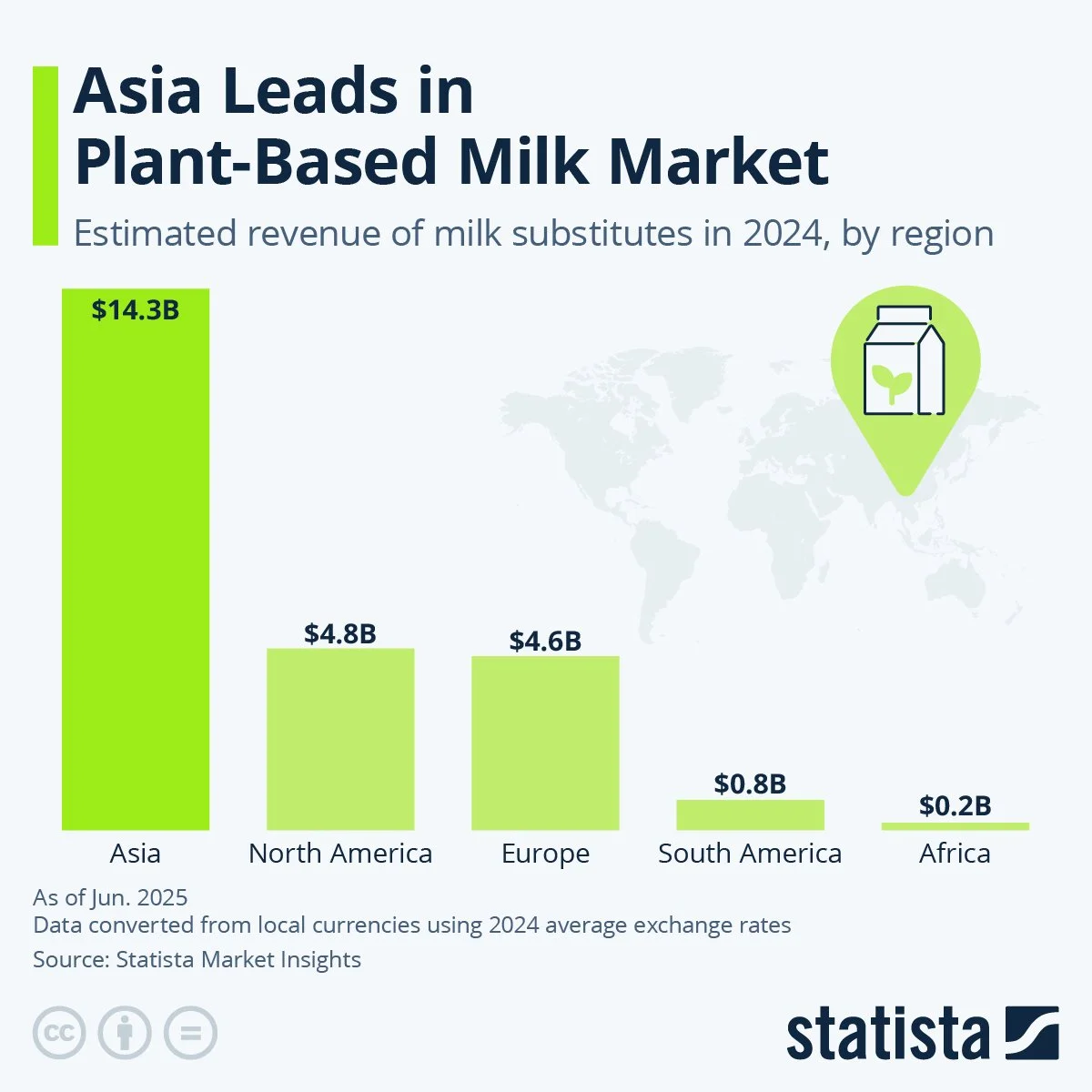
The broader Asia-Pacific plant-based milk category generated an estimated $14.3. billion in revenue in 2024.
That growth has created a highly competitive landscape involving three distinct groups of players:
legacy Asian plant-based beverage companies
global Western brands
newer café-native regional brands
Long before oat milk became trendy globally, Asia already had a deeply entrenched plant-based beverage infrastructure through soy milk.
Companies like Vitasoy, Fraser and Neave, and various local soy beverage manufacturers spent decades building manufacturing scale, convenience store distribution, and consumer familiarity across the region.
In many ways, oat milk entered a market where:
consumers already understood dairy alternatives
lactose intolerance rates were already relatively high
café culture was expanding rapidly
younger consumers were increasingly adopting globalized coffee habits
That created the perfect conditions for oat milk adoption.
While companies like Vitasoy possess enormous retail distribution power, many newer oat milk brands have competed more aggressively on specialty coffee positioning, barista functionality, and lifestyle branding.
Oatside Didn’t Win Through Ideology
Oataisde seems to have won through: playful branding, yet adult branding, being taste-first and building itself around café performance and being a café-first brand. The company repeatedly describes its product as “barista blend,” optimized specifically for coffee applications and café partnerships, not just retail consumers. Their SKUs are formulated for steaming, texture, and pairing with espresso. Its packaging is playful and internet-native, but still premium enough to fit naturally inside specialty coffee environments. More importantly, the product is marketed as something consumers genuinely enjoy drinking, not as a compromise. Their positioning is not centered around the vegan movement and aims to appeal to a broader consumer base.
Optimizing for Operators, Not Just Consumers
Part of Oatside’s success may come from understanding that cafés are not simply retail endpoints — they are operational businesses optimizing for consistency, speed, and margins.
Alternative milk adoption in cafés depends heavily on product functionality:
how well it steams
foam texture
sweetness balance
shelf stability
supply consistency
price-to-performance
Oatside appears to have focused aggressively on these foodservice realities. Its products are specifically positioned as “barista blend,” optimized for coffee applications and café partnerships rather than purely retail consumption.
That distinction matters because many consumer brands are built for shoppers first and cafés second. Oatside seems to have reversed that order.
Once a café standardizes around a particular oat milk supplier, switching costs begin to emerge operationally and culturally. Staff become familiar with the product, recipes are calibrated around it, and customers begin associating the café experience with that taste profile.
At that point, the brand stops competing drink-by-drink and starts becoming infrastructure.
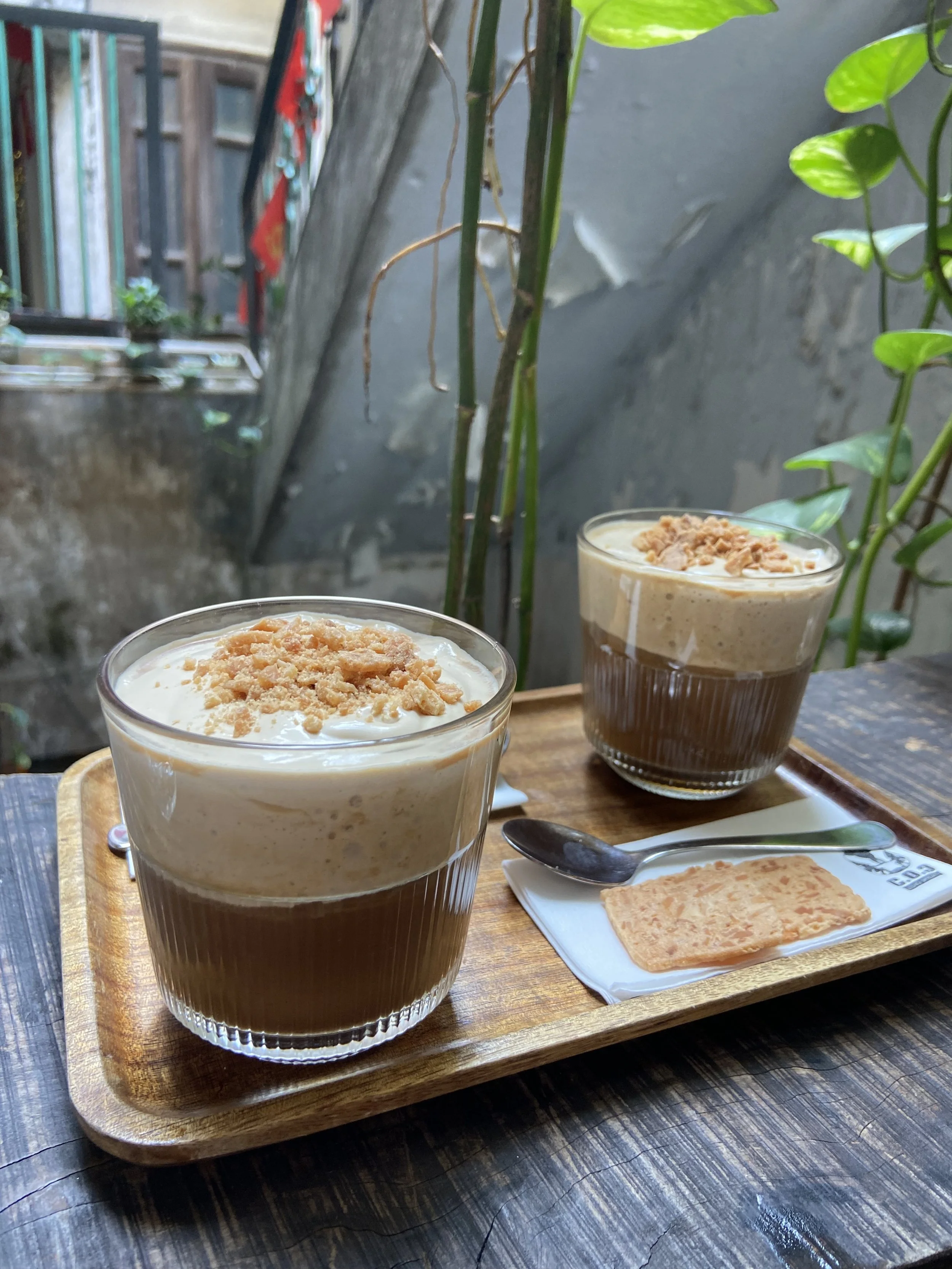
Coconut Coffee with Oatside, C.O.C. Legacy Cafe, Hanoi, Vietnam
What Oatside’s Can Teach Us About Success for Modern Food Brands
Oatside’s growth may reflect a broader shift in how modern consumer food brands scale in Asia.
Rather than competing first through supermarket shelf space, some emerging brands are using foodservice ecosystems as the primary mechanism for adoption. Cafés, restaurants, and beverage chains increasingly function as cultural distribution channels capable of shaping consumer behavior faster than traditional retail alone.
The company also highlights how alternative protein adoption does not always need to be driven by ideology. In some markets, taste, branding, operational fit, and consumer experience may matter more than sustainability messaging alone.
Whether Oatside can maintain its dominance long term remains to be seen. Competition in plant-based beverages continues to intensify globally, and sustaining category leadership is never guaranteed.
But its rise offers an unusually strong case study in how regional food brands can build category leadership by embedding themselves into everyday consumption habits before consumers even realize a choice is being made.
